
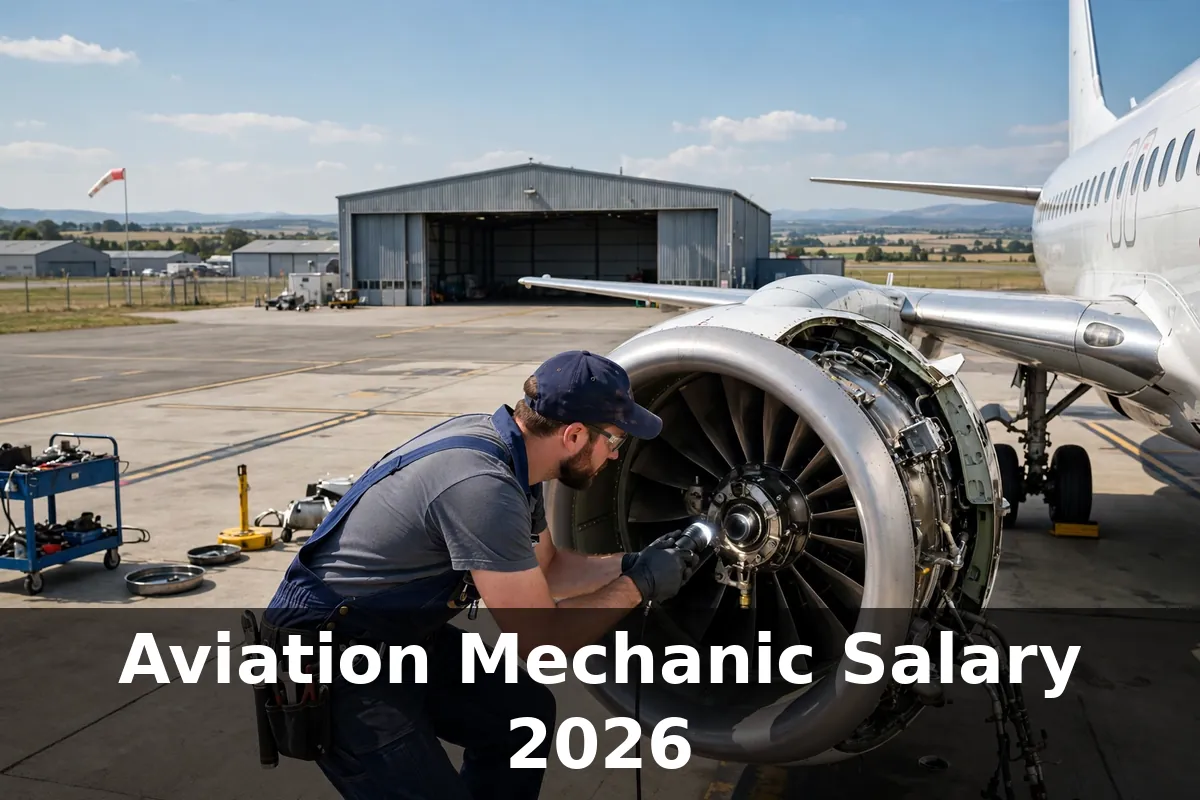
Aviation Mechanic Salary 2026: Hourly Pay, Top States & Benefits
If you are thinking about a career keeping airplanes safe and airworthy, the first question is usually a simple one: how much does it actually pay? The aviation mechanic salary picture in 2026 is encouraging. According to the Bureau of Labor Statistics (BLS), aircraft mechanics and service technicians earned a median annual wage of $78,680 in 2024, or about $38.05 an hour. More recent job market data from 2026 points a little higher, with typical advertised pay clustering around $73,000 to $87,000 a year depending on the employer, the location, and the mechanic’s certification.
That range is wide for a reason. A newly certified mechanic at a small general aviation shop and a lead inspector at a major cargo carrier are doing very different jobs, even though both fall under the same broad occupation. This guide breaks down the numbers by experience, state, employer type, and certification, so you can see where you would realistically land.
Quick Answer
So what does the aviation mechanic salary look like in plain terms? Most full time aircraft mechanics in the United States in 2026 earn between $60,000 and $90,000 a year. Entry level roles usually start near $48,000 to $55,000, mid career mechanics commonly earn $65,000 to $80,000, and senior or lead mechanics can pass $100,000, especially with overtime and inspection authorization.
Hourly pay tells the same story. The BLS median of $38.05 an hour sits in the middle of a typical range of about $28 to $45 an hour. Mechanics paid by the hour often add real money through overtime, night shift differentials, and holiday pay, which is one reason annual earnings can run well above the base hourly rate multiplied out.
| Measure | Typical 2026 Figure | Source and Note |
|---|---|---|
| Median annual wage | $78,680 | BLS, 2024 data for aircraft mechanics and service technicians |
| Median hourly wage | $38.05 | BLS, 2024 data |
| Typical advertised range | $73,000 to $87,000 per year | 2026 job market listings, all experience levels combined |
| Entry level annual pay | $48,000 to $55,000 | Industry salary guides, 2026 |
| Top 10 percent | $100,000 and above | Industry salary guides, 2026, often with overtime |
Salary varies by employer, experience, location, qualifications, and shift pattern. Treat every figure in this guide as a benchmark for comparison, not a promise for any single job offer.
Monthly Pay Breakdown
Dividing the BLS median of $78,680 by 12 gives an approximate monthly equivalent of about $6,557 before taxes. That is gross pay, not take home pay. Federal and state income tax, Social Security, health insurance premiums, and retirement contributions all come out before the money reaches a bank account, so actual take home pay is noticeably lower.
For a mechanic earning $65,000 a year, the approximate monthly equivalent is about $5,417 gross. At $85,000, it is about $7,083 gross. Overtime complicates the monthly picture in a good way: many shops pay time and a half beyond 40 hours, and mechanics who regularly pick up extra shifts can see monthly earnings swing upward by hundreds of dollars. On the other hand, contract and seasonal roles may have gaps between assignments, which makes the annual figure a safer planning number than any single month.
Pay by Experience Level
Experience is the single biggest lever on pay in this trade, and the climb is steady rather than sudden. The first two years are about proving reliability under supervision. After that, each certification and each aircraft type added to a resume tends to open a higher pay band.
| Experience Level | Typical Annual Pay | What It Usually Involves |
|---|---|---|
| Entry level (0 to 2 years) | $48,000 to $55,000 | Routine inspections, supervised repairs, general aviation or regional airline work |
| Mid career (3 to 7 years) | $60,000 to $75,000 | Independent troubleshooting, larger aircraft, possible lead duties on a shift |
| Experienced (8 to 15 years) | $75,000 to $90,000 | Complex systems work, mentoring juniors, specialized airframe or engine work |
| Senior or lead (15 years and above) | $90,000 to $110,000 and above | Lead mechanic, inspector, or shop supervisor roles, often with overtime |
The jump from entry level to mid career is usually the largest. Once a mechanic holds both airframe and powerplant ratings and has a few years of clean, documented work behind them, employers compete harder for them, and that shows up in the paycheck.
Top Paying States for Aviation Mechanics
Where you work matters, sometimes by $10,000 or more a year for the same job title. BLS state data shows that the highest mean wages cluster in the Northeast and in Nevada, while the biggest employers sit in Texas, Florida, and California. High pay in a state does not always mean a high standard of living, since housing costs in places like New York and New Jersey run well above the national average.
| State | Mean Annual Wage | Why It Pays Well |
|---|---|---|
| New York | $95,070 | Major metro airports, high cost of living, dense airline operations |
| New Jersey | $90,340 | Proximity to New York area airports and maintenance bases |
| Maryland | $89,770 | Defense and government related aviation work |
| Nevada | $89,120 | Las Vegas area operations and cargo activity |
| Massachusetts | $87,080 | Boston area airline and corporate aviation demand |
| California | $81,730 | Large airline and MRO presence, high living costs |
| Texas | $77,140 | Largest employment in the occupation, major airline hubs |
| Florida | $70,290 | Large employment base, busy MRO and airline maintenance hubs |
Source: BLS Occupational Employment and Wage Statistics, state profiles for aircraft mechanics and service technicians. Figures are mean wages, which can sit above or below the median in a given state.
It is worth noting that the aviation mechanic salary varies sharply even inside a single state. A mechanic at a Dallas hub, a Houston cargo operation, or a small West Texas shop will see different offers, and contract roles in heavy maintenance can pay weekly rates that annualize well above the state mean, especially with overtime included.
Pay by Employer Type
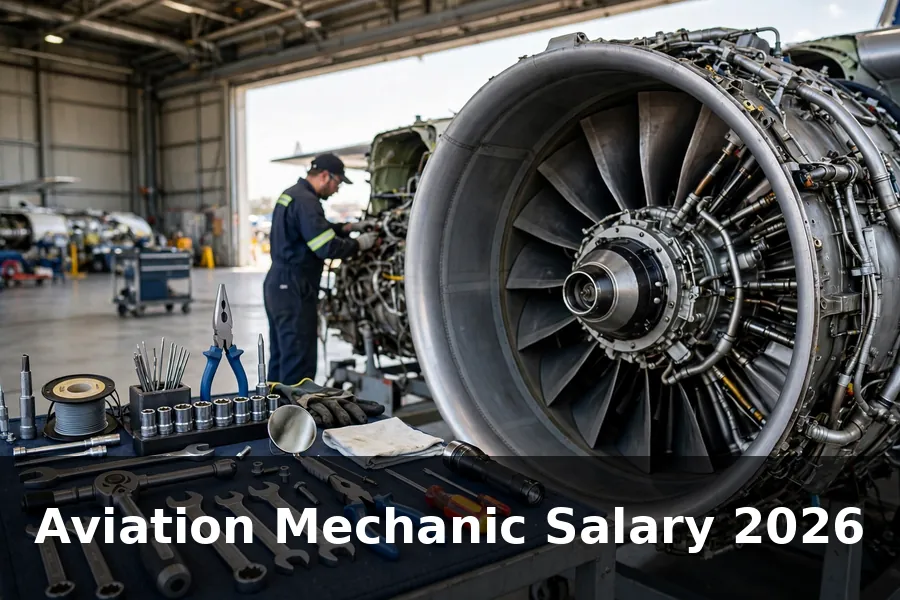
The kind of employer shapes pay almost as much as location does. Scheduled airlines tend to offer the strongest combination of base pay, benefits, and predictable hours. Cargo carriers are famous for overtime and night shift premiums. Maintenance, repair, and overhaul (MRO) facilities offer a lot of openings and a clear path up, though starting pay can be lower than at a major airline.
Military service is a different deal entirely. Reported military aircraft mechanic pay looks lower in salary databases, often around $42,000 to $50,000 in base pay, but that figure leaves out housing allowances, subsidized health care, and education benefits that form a large part of total military compensation. Many veterans also walk straight into civilian A&P roles with experience that civilian employers value highly.
Federal aviation safety inspector roles sit at the top end of the scale. These jobs usually require extensive A&P experience and pay well into six figures, which is one reason advertised salary ranges for the occupation can stretch toward $128,000 or more at the upper end. They are not entry level jobs, but they are a realistic long term target.
How A&P Certification and Inspection Authorization Affect Pay
In the United States, the credential that unlocks most of this pay scale is the FAA Airframe and Powerplant (A&P) certificate. Mechanics without it can still find work, but usually as assistants or apprentices at lower pay, and they cannot sign off on work independently. Earning the A&P is therefore less of a bonus and more of the entry ticket to the salaries quoted in this guide.
Inspection Authorization (IA) is the next step up. An IA holder can perform annual inspections and approve major repairs and alterations, and industry guides commonly put the IA pay premium at roughly 10 to 15 percent above a standard A&P rate. Manufacturer specific training, such as Boeing or Airbus type courses, also helps, since shops pay more for mechanics already qualified on the aircraft they actually fly.
Shift work deserves a mention too. Night shifts, weekend rotations, and on call duties usually carry differentials, and mechanics willing to work the least popular hours often earn several thousand dollars more a year than colleagues on the day shift doing the same core work.
Benefits and Total Compensation
Base pay is only part of the deal. Most airline and large MRO employers offer health insurance, dental and vision coverage, paid time off, and a 401(k) with some employer match. Travel benefits are a well known airline perk: free or heavily discounted standby flights for the employee and often for family members as well.
Other common benefits include tool allowances or tool purchase programs, uniform provision, paid FAA training and recurrent courses, license renewal support, and overtime at time and a half. Federal and military roles add their own packages, including pension accrual and generous leave. When comparing two offers, it pays to add up the benefits before deciding, because a slightly lower hourly rate with strong travel perks and a good retirement match can beat a higher rate with thin benefits.
What Does an Aviation Mechanic Do?
An aviation mechanic inspects, maintains, troubleshoots, and repairs aircraft to keep them safe and legally airworthy. A typical day might include routine line checks between flights, scheduled inspections, engine work, avionics troubleshooting, landing gear servicing, and detailed record keeping. Every task is documented, because the maintenance log is a legal record and the next crew relies on it.
The work is hands on and physical. Mechanics work on hangar floors, on ladders and stands, and sometimes outdoors in all weather. They use hand tools, diagnostic equipment, and technical manuals, and they work closely with pilots, dispatchers, parts suppliers, and quality inspectors. Precision matters more than speed here: a missed crack or a wrongly torqued bolt can have serious consequences, which is exactly why certified mechanics earn a premium.
How to Become an Aviation Mechanic
The most common route runs through an FAA approved Aviation Maintenance Technician School, which typically takes 18 to 24 months and covers both airframe and powerplant subjects. Graduates then sit FAA written, oral, and practical exams for each rating. An alternative route is learning on the job under certified mechanics, but that path takes considerably longer, generally 30 months of supervised experience for a combined certificate.
After certification, most mechanics start in general aviation, regional airlines, or MRO shops, then move toward major airlines or specialized work as experience grows. Keeping skills current is part of the job: new aircraft types, new materials, and evolving avionics mean training never really stops.
Career Growth and Job Outlook
Career growth in this field follows a clear ladder: mechanic, senior mechanic, lead mechanic, inspector, and then shop supervisor or maintenance manager. Some mechanics specialize instead, becoming experts in engines, avionics, structures, or non destructive testing. Others move into quality assurance, technical training, or regulatory roles.
The outlook is solid. The BLS has projected about 13,100 openings a year for aircraft mechanics and service technicians, driven largely by retirements and fleet growth, and by aircraft systems becoming more complex rather than less. Retirements in particular create real opportunity: as experienced mechanics leave, employers need certified replacements, and that demand supports both wages and job security.
Frequently Asked Questions
What is the average aviation mechanic salary in 2026?
The BLS median for aircraft mechanics and service technicians was $78,680 a year in 2024, and 2026 job market data clusters typical pay around $73,000 to $87,000. Your exact figure will depend on certification, experience, employer, and state.
How much does an aviation mechanic make per hour?
The BLS median hourly wage was $38.05. Typical hourly rates run from about $28 at entry level to $45 or more for senior and inspector roles, before overtime and shift differentials.
Do aviation mechanics make $100,000 a year?
Yes, many do, but usually not at entry level. Senior mechanics, lead mechanics, inspectors, and mechanics with regular overtime commonly pass $100,000, especially at major airlines and cargo carriers.
Is the A&P license required to earn a good salary?
For most well paid roles, effectively yes. The A&P certificate is required to sign off on maintenance work independently, and most employers hiring at the salary levels in this guide list it as a requirement. Inspection Authorization adds a further premium.
Which state pays aviation mechanics the most?
By BLS mean wage, New York leads at about $95,070, followed by New Jersey and Maryland. Remember that mean wages are affected by high earners and by living costs, so compare offers against local housing and tax costs before moving.
Is aviation mechanic a good career in 2026?
For people who like hands on technical work, it offers a strong combination: solid pay without a four year degree requirement, a clear certification path, steady demand from retirements, and a route into senior and inspector roles. The tradeoffs are shift work, physical demands, and the responsibility that comes with safety critical work.
Conclusion
The aviation mechanic salary rewards certification, experience, and a willingness to work where demand is strongest. Starting pay near $50,000 grows steadily, the BLS median sits close to $79,000, and senior and inspector roles push well past $100,000. If you are weighing this career, the smartest move is to earn the A&P certificate, pick an employer type that matches your lifestyle, and compare total compensation, not just the hourly rate. Checked against current official data, the numbers make a convincing case for a trade that keeps the skies moving.